(01)
.jpg)
Studios
Digital Content Production Arm (Coming Soon)
(02)

North Star Sprint
Strategic Alignment Workshop
(03)
Cortex
AI Powered Intelligence Software
(Exclusive to Clients)
(Exclusive to Clients)
Close
There was a time when brands were mostly experienced through advertising.
Television commercials, billboards, and print ads shaped how people understood companies. If a brand invested heavily in media, it could control much of the narrative. A company with a large enough budget could define exactly how the market perceived it.
That environment no longer exists.
Today, people interact with brands in many different ways before they ever see an advertisement. They search online, read reviews, watch videos, ask friends, and scroll through social media. McKinsey found that 84 percent of Gen Z now trust product reviews from niche online communities more than corporate advertising. Edelman reports that 81 percent of consumers need to trust a brand before they even consider a purchase.
The brand is no longer defined by what the company says. It is defined by what people experience.
A modern brand does not live in one place. It appears across many moments in a customer's day.
A person might first encounter a company through a social media post. Later they visit the website. They read comments from other customers. They might walk past the physical store or see the product in someone else's hands.
Some of these interactions are planned by the company. Others are shaped entirely by customers. A negative Google review, a screenshot of a bad customer service exchange shared on social media, or an enthusiastic recommendation from a friend can carry more weight than a six figure advertising campaign.
This means brand perception has become harder to control but easier to earn. Companies that deliver a strong, consistent experience across every touchpoint build trust faster than companies that rely on advertising to tell people what to think.
Consumers rarely make decisions based on a single interaction. They form impressions gradually.
Someone might hear about a brand from a colleague. Later they see a product review on YouTube. They visit the website out of curiosity. They notice the brand again in a LinkedIn post. Eventually they encounter the company in person or reach out for a conversation.
Each step influences the next. If the experiences feel consistent, trust begins to develop. If the experiences feel disconnected, uncertainty appears.
A Forrester study found that companies with consistent branding across digital and physical touchpoints experienced 23 percent higher customer lifetime value compared to those with inconsistencies. That number is not about aesthetics. It is about whether each touchpoint reinforces the same promise or contradicts it.
This is why branding today extends far beyond communication campaigns. Marketing focuses on individual messages. Branding must consider the entire experience.
Four forces now influence how people understand a brand, and advertising is the weakest of them.
Product experience. No amount of advertising can compensate for a disappointing product. If the product performs well, customers begin to trust the brand. If it fails to meet expectations, perception deteriorates quickly, and reviews ensure that failure is public and permanent. Peloton learned this in 2022 when product quality concerns and a safety recall overshadowed years of aspirational brand building. The advertising had positioned the brand as a premium lifestyle choice. The product experience told a different story, and the market listened to the experience.
Customer service. People often remember how a company responds when something goes wrong more than they remember the original purchase. A study from Qualtrics shows that consistency in service experience correlates directly with retention and recommendation. One thoughtful recovery from a mistake can strengthen loyalty more than ten perfect transactions.
Online presence. Websites, search results, and social media profiles shape first impressions before a customer ever speaks with a real person. Research shows that 92 percent of people consider well designed websites more trustworthy, and 38 percent will leave a site with an unattractive layout. The website is often the place where customers decide if the brand is credible, and most companies underestimate how quickly that judgment is made.
Word of mouth. Recommendations remain one of the strongest influences on brand perception. When people trust the opinion of someone they know, the brand gains credibility that advertising cannot replicate. Seventy six percent of consumers have purchased a product based on someone else's recommendation.
Together, these interactions create a picture of the company in the customer's mind. Advertising can introduce the brand. But it is experience that decides whether the brand is trusted.
Some companies have embraced this shift and built their brands around experience rather than advertising.
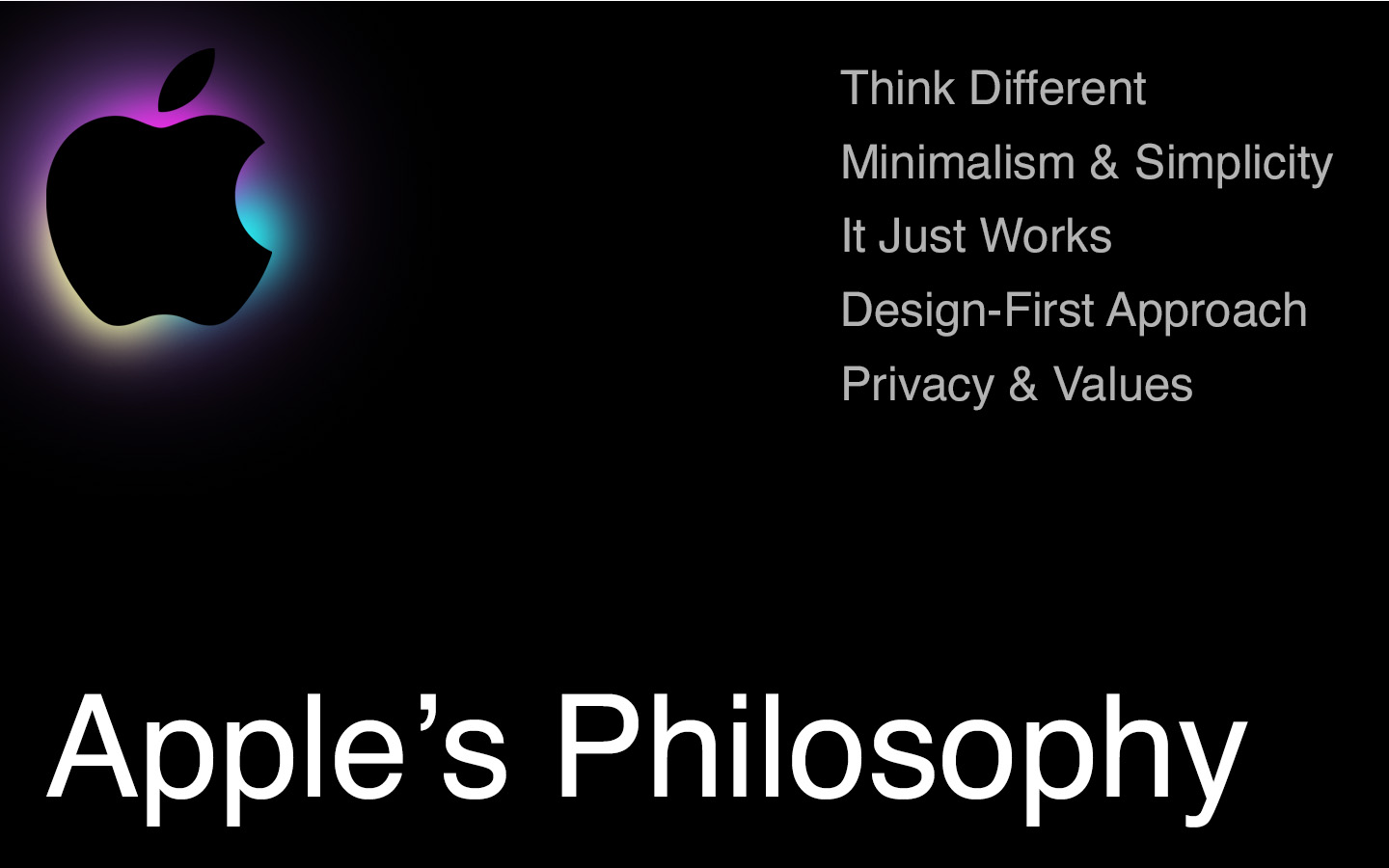
Apple and the retail experience. Apple stores were designed to feel fundamentally different from traditional electronics retailers. Customers are encouraged to explore products freely. Staff members focus on guidance rather than sales pressure. The stores themselves became a physical expression of the brand's philosophy: simplicity, quality, and design thinking applied to every detail. When Apple began opening retail locations in 2001, analysts predicted failure. Instead, Apple stores became the highest revenue per square foot retail locations in the world. The brand was not communicated through advertising in those stores. It was communicated through what it felt like to walk in.
Starbucks and the third place. Howard Schultz built Starbucks around the idea of a space between home and work, a concept borrowed from sociologist Ray Oldenburg. The store environment, lighting, seating, music, and menu were all designed to support that concept. Starbucks customers visit an average of six times per month, far higher than typical coffee shop frequency. People were not returning for the coffee alone. They were returning for the experience of being in a space designed around comfort and familiarity. Starbucks built a 100 billion dollar brand not because it had the best coffee, but because it sold something people needed more than great coffee: a place where they felt comfortable.
Airbnb and belonging. Airbnb rarely talks about accommodation in the traditional sense. Instead, the company communicates the idea of belonging in unfamiliar places. Hosts, guests, and the platform itself all contribute to that feeling. The brand is not built through what Airbnb says about itself. It is built through what it feels like to arrive at a home in a new city and be welcomed by someone who lives there.
These companies did not become category leaders because they advertised more. They became category leaders because they designed the experience to carry the brand.
When companies fail to manage the full experience, contradictions begin to appear.
A company advertises premium quality but delivers inconsistent products. A brand promotes friendliness while customers encounter indifferent service. The website communicates innovation while the product has not been updated for years.
These gaps are not minor. They are the primary reason brands lose credibility over time.
Consider a company that invests heavily in a brand refresh. New logo, new website, new messaging. Everything looks polished and professional. Then a potential client calls the main office number and gets placed on hold for eight minutes before reaching someone who sounds disinterested. In that moment, all the investment in the visual brand is undermined by a single interaction.
Customers notice when the promise of the brand does not match the reality they encounter. And in a world where every experience is shareable, those contradictions spread faster than any advertisement.
Even though brand experiences now happen across many touchpoints, the need for direction remains the same.
Without a clear idea of what the company represents, each interaction begins to drift. Marketing communicates one message. Customer service behaves another way. Product development moves in a different direction. The brand becomes fragmented, not because anyone is doing their job badly, but because no one is working from the same definition of what the brand should be.
"When the brand lacks a foundation, each team makes its own interpretation. The result is inconsistency that confuses customers and weakens the brand over time."
This is why the most effective brand work starts with getting clear on direction before investing in design, campaigns, or communication. When the brand is built on a clear foundation, every team in the organization has a reference point. The website team knows what tone to use. The customer service team knows what values to prioritize. The marketing team knows what messages to reinforce.
Direction creates consistency. Consistency builds trust. Trust builds brands.
The brands people trust often feel predictable in a positive way. Customers know what to expect.
A visit to a Starbucks store feels familiar regardless of location. An Apple product behaves in a way that reflects the company's design philosophy. A call to a company with strong service standards produces a consistent experience.
This predictability does not happen by accident. It requires alignment across many parts of the organization. Product teams, marketing teams, customer service teams, and leadership must share a common understanding of the brand. When that alignment exists, each interaction reinforces the same message.
Lucidpress found that 86 percent of consumers say consistency makes brands more trustworthy. McKinsey's analysis showed that firms with unified brand messaging reported a 19 percent uplift in profit margins. The data confirms what customers already feel: consistency is not boring. It is the foundation of trust.
Managing brand experience requires leadership involvement.
Decisions about product design, service standards, communication, and priorities all influence perception. If leadership treats branding as a marketing responsibility alone, the broader experience often becomes neglected. Each department interprets the brand differently. The result is a company that looks coherent in its advertising but feels fragmented in practice.
When leadership views branding as part of the company's direction, every department begins to participate in shaping the brand. The CEO's decisions about what to prioritize become brand decisions. The head of operations' standards for customer service become brand standards. The product team's choices about quality and design become expressions of the brand.
The leaders who set the tone for how the company operates are, whether they realize it or not, setting the tone for how the brand is experienced.
Advertising once played a dominant role in shaping brands. Today it is only one part of a much larger picture.
People form opinions about companies through every interaction they encounter. A website visit. A conversation with customer support. A product used for the first time. A recommendation from a friend. A response time on an email inquiry.
Each moment contributes to the story people tell themselves about the brand.
Companies that recognize this shift begin to see branding differently. Not as a campaign. But as the accumulation of experiences that shape how people understand the business.
The question is not whether your advertising is good enough. The question is whether every interaction your company delivers tells the same story.
How do consumers form opinions about brands today?
Brand perception is no longer shaped primarily by advertising. It's built through the accumulation of every interaction a customer has with a company - the website visit, the product experience, the customer service exchange, the review they read, the recommendation from a friend. McKinsey found that 84 percent of Gen Z trust product reviews from niche online communities more than corporate advertising. Edelman reports that 81 percent of consumers need to trust a brand before they consider a purchase. The brand is no longer what the company says it is. It's what people experience it to be.
What happens when a brand is inconsistent?
Customers don't separate their interactions with a company. They form a single cumulative impression across everything they encounter. When touchpoints contradict each other, that impression becomes confused, and confused impressions don't convert to trust. A Forrester study found that companies with consistent branding across digital and physical touchpoints experienced 23 percent higher customer lifetime value compared to those with inconsistencies. The gap between what a brand promises and what it actually delivers doesn't stay hidden, it shows up in retention, in reviews, and in whether customers come back.


.jpg)