(01)
.jpg)
Studios
Digital Content Production Arm (Coming Soon)
(02)
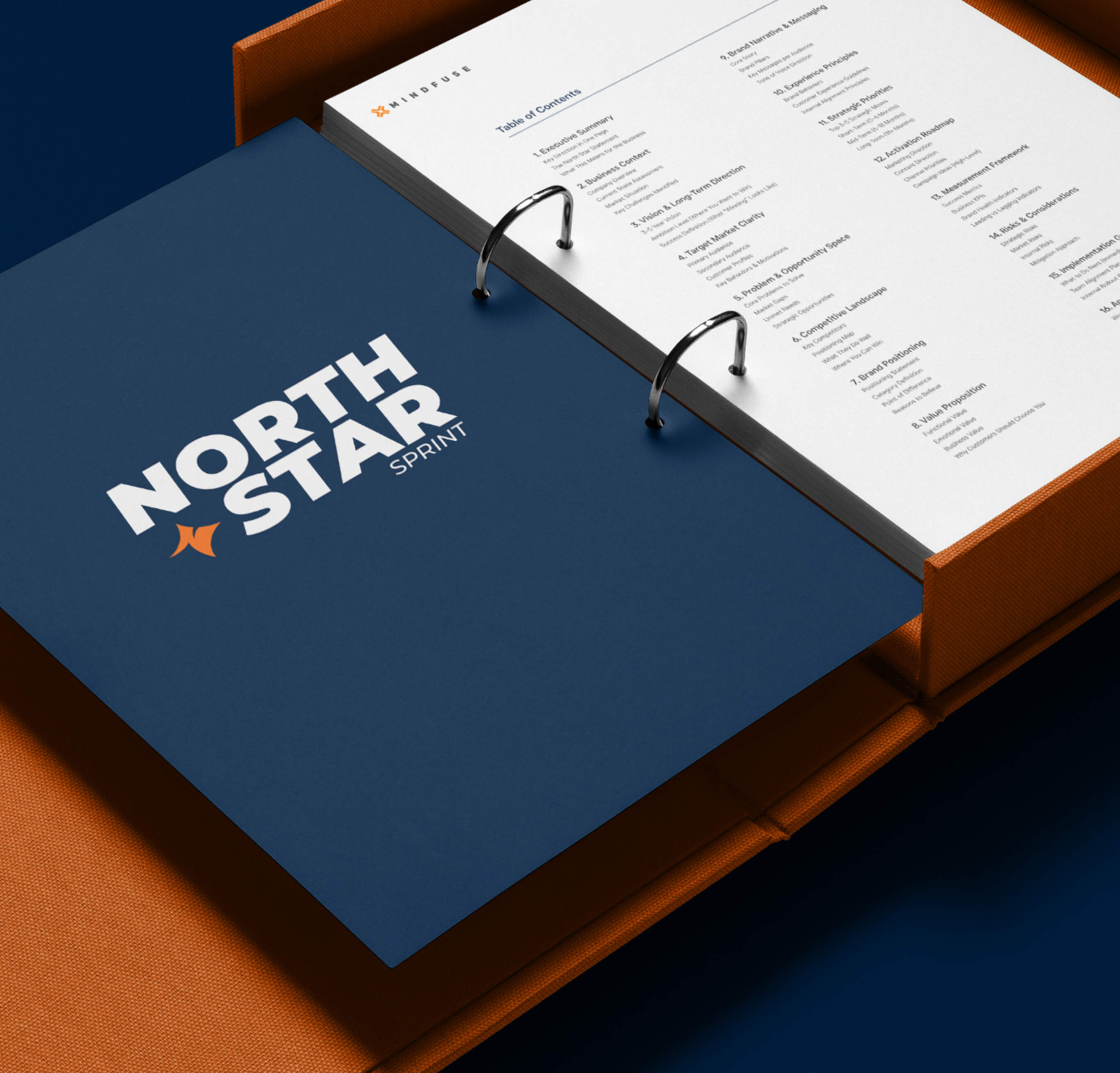
North Star Sprint
Strategic Alignment Workshop
(03)
Cortex
AI Powered Intelligence Software
(Exclusive to Clients)
(Exclusive to Clients)
Close

Himalaya Herbals is a global wellness and personal care brand built on herbal ingredients backed by decades of scientific research. They operate across multiple markets worldwide, including the Philippines, with a brand identity that carries significant international equity.
Global brands carry structure, visual guidelines, messaging frameworks, and standards that maintain consistency across markets. These exist for good reasons: they protect the brand equity that's been built worldwide. But global consistency doesn't automatically translate into local resonance.
Himalaya's challenge in the Philippines wasn't about the products or the brand standards themselves. It was about the gap between global intent and local execution. Materials that honored international guidelines but didn't connect with Filipino customers weren't serving either goal well.
We established a clear principle for the work: stay inside the global framework, but find the room within it to make the brand feel genuinely present in the Philippine market. Product communication needed to speak to local concerns and daily routines. Visual execution needed to feel relevant in local retail environments. And everything needed to be unmistakably Himalaya.
<script type="application/ld+json">
{
  "@context": "https://schema.org",
  "@type": "FAQPage",
  "mainEntity": [
    {
      "@type": "Question",
      "name": "How do global consumer brands adapt their communication for the Philippine market?",
      "acceptedAnswer": {
        "@type": "Answer",
        "text": "The starting point is understanding what \"local relevance\" actually means — and it's not about changing the brand, it's about applying it more precisely. Himalaya Herbals had strong international equity and clear global brand standards. The challenge was that materials produced within those standards weren't connecting with Filipino customers the way they should. Mindfuse worked within the existing global framework while focusing on how to make it land locally — making product benefit communication more direct and specific to daily routines that Filipino customers actually recognized, and adapting visual execution for local retail environments without drifting from the global identity. The brand stayed unmistakably Himalaya while becoming genuinely present in the Philippine market."
      }
    },
    {
      "@type": "Question",
      "name": "What is the difference between brand localization and brand dilution?",
      "acceptedAnswer": {
        "@type": "Answer",
        "text": "Localization is finding the room within a global framework to speak to a specific market in a way that feels real to them. Dilution is changing the brand to fit the market — adjusting the core identity, softening the positioning, or making exceptions that fragment consistency across markets. The line between them is clear: localization works within the brand's established rules and finds the expressive range available inside them. Dilution breaks those rules in ways that accumulate into a brand that means different things in different places. For Himalaya, the work was entirely in the former — every decision was made within the global guidelines, with the goal of making the most of the space those guidelines allowed."
      }
    }
  ]
}</script>We worked within the global brand guidelines while focusing on how to express them in ways that landed clearly with Filipino customers. Product benefit communication became more direct, speaking to what people actually cared about in their daily routines rather than translating global messaging verbatim.
Visual application followed the guidelines but was adapted for local retail environments and marketing touchpoints. Every piece of communication was designed to feel like Himalaya while also feeling like it understood the specific context it was appearing in.
The work was fundamentally about alignment, making sure global intent and local execution pulled in the same direction.
The Work
Brand communication adaptation. Product benefit messaging for the Philippine market. Retail and marketing materials. Campaign support within global brand guidelines. Visual asset development.
Local brand materials became more consistent because they were built from a clearer understanding of how to apply global standards to local realities. Product benefits came through more effectively because the communication spoke to what mattered in this market.
Himalaya maintained its international identity while becoming more present and relatable to Filipino customers. The brand could stretch across different retail and marketing initiatives without feeling like different versions of itself.
How do global consumer brands adapt their communication for the Philippine market?
The starting point is understanding what "local relevance" actually means and it's not about changing the brand, it's about applying it more precisely. Himalaya Herbals had strong international equity and clear global brand standards. The challenge was that materials produced within those standards weren't connecting with Filipino customers the way they should. Mindfuse worked within the existing global framework while focusing on how to make it land locally making product benefit communication more direct and specific to daily routines that Filipino customers actually recognized, and adapting visual execution for local retail environments without drifting from the global identity. The brand stayed unmistakably Himalaya while becoming genuinely present in the Philippine market.
What is the difference between brand localization and brand dilution?
Localization is finding the room within a global framework to speak to a specific market in a way that feels real to them. Dilution is changing the brand to fit the market adjusting the core identity, softening the positioning, or making exceptions that fragment consistency across markets. The line between them is clear: localization works within the brand's established rules and finds the expressive range available inside them. Dilution breaks those rules in ways that accumulate into a brand that means different things in different places. For Himalaya, the work was entirely in the former every decision was made within the global guidelines, with the goal of making the most of the space those guidelines allowed.